
Winds, Waterways, and Footsteps across Norfolk

Join us for Heritage Walks Exploring Drainage Mills and River Paths Across Norfolk, where open skies, quiet reeds, and time-worn towpaths create a journey that blends movement and memory. We wander beside working and restored windpumps, pause at river bends where wherries once glided, and trace boardwalks across whispering marsh. Expect route ideas, wildlife encounters, engineering marvels, and local voices. Lace up, bring a map, and share your discoveries, because every mile along these channels adds another story to the living landscape.

Berney Arms to Reedham Ferry
Set out across wide grazing marsh where the Berney Arms windmill rises like a steadfast sentinel beside the Yare. The remote request-stop station, open skies, and lapwing calls heighten the sense of arriving by edgeways. Follow the river’s slow curve toward Reedham Ferry, watching tides breathe against the banks. Marsh harriers quarter the reeds, and the occasional seal noses upstream. Finish with a ferry crossing and a comforting pub doorstep, feeling the quiet labor of generations embedded in every mud-brown meander.

Horsey Windpump and the Dune Edge
Circle the National Trust windpump, listening to creaking timbers and imagined water lifting beneath the floors. The canal-straight dykes guide your stride toward dunes, where winter brings grey seals to Horsey Gap’s shining beaches. Boardwalks protect fragile habitats while granting views across reed gleam and wind-ruffled pools. Look for bearded tits, hear the piping of redshank, and greet volunteers who share restoration tales. An easy loop combines mill, marsh, dune, and sea, knitting Norfolk’s elements into one generous morning.
Engineering the Wind: How Pumps Kept Feet Dry
Before electric stations hummed across the Broads, mills converted restless wind into measured water-lifting, protecting pasture and pathways from persistent floods. Timber frames, brick towers, and ingenious gear trains turned motion into resilience. Understanding their workings enriches every walk, because each contour in the field and each dyke’s quiet shine owes its line to careful design. In these notes, explore how scoop wheels and screws moved water, why sails evolved, and how modern pumps honor foundations laid by centuries of craft.

River Paths for Curious Walkers
Norfolk excels at approachable miles that welcome families, solo wanderers, and seasoned ramblers. Many surfaces are level, distances can be tailored, and waymarks are clear without crowding the eye. Long-distance options weave together villages, marsh edges, reserves, and stations, allowing one-way travel by train or boat. This section highlights three beloved arteries. Each offers history stitched into hedgebanks, chances for cake at a staithe café, and wide-angle moments when the past feels as near as your next footfall.
Wherryman’s Way Along the Yare
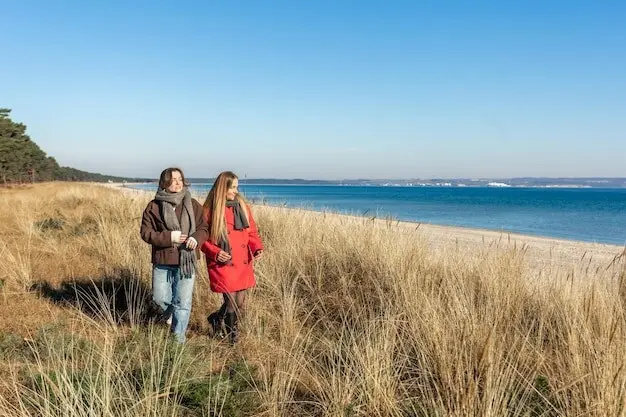
Following the Yare between Norwich and Great Yarmouth, this route visits reedbeds, ferry points, and pubs where river trade once set the day’s rhythm. Waymarks carry silhouettes of wherries, recalling the graceful cargo craft that stitched marsh to city. Break the journey into train-linked stages, pausing at Reedham, Cantley, or Brundall. Expect tide-sculpted mud, singing skylarks, and distant mills that anchor the horizon. Pack binoculars, note tide times, and savor salt on the wind as the estuary opens.

Weavers’ Way Across Quiet Levels
Stretching between Cromer and Great Yarmouth, this path crosses sections of level farmland and marsh where drainage cut straight as notes on a stave. Between Acle and Stalham, mills speckle the skyline like punctuation marks guiding your reading. The way is generous to unhurried walkers: benches, gates, and clear crossings ease progress. Keep your ears open for barn owls at dusk, bring layers for sea-breeze moods, and pencil a detour to remote churches whispering medieval threads.
Seasons, Wildlife, and Gentle Etiquette
These paths are home as much as they are corridors. Birds nest low, orchids hide in ditches, and winter water spreads patiently over meadows. Choosing timing and tread wisely keeps the welcome mutual. This guide gathers notes on respectful walking, seasonal highlights, and small preparations that turn difficulties into delights. Expect advice on dogs and livestock, nesting distractions, sunscreen and sudden showers, midges, and safe edges. With attentiveness, your presence strengthens, rather than strains, the everyday life of the marsh.

Winter Light and Far Horizons
Cold months stretch the sky into a lantern, throwing mills into sharp silhouette and revealing flocks of pink-footed geese arrowing between roosts. Paths may flood; embrace detours as part of the story. Waterproof boots, hot flasks, and spare gloves protect morale when winds freshen unexpectedly. You might meet hardy volunteers repainting railings, or catch a sunset whose colors rinse every cloud. Leave gates as found, keep to firm edges, and relish brisk miles that warm the soul beautifully.

Spring Voices in the Reeds
From March onwards, reedbeds buzz and ping with bearded tits, while sedge warblers unspool riotous songs from swaying perches. Nesting birds need quiet margins, so leash dogs near sensitive habitats and detour if wardens request. Early flowers brighten banks, butterflies patrol sunny breaks, and showers test your packing list. Bring lightweight layers, snacks, and patience for binocular-fiddling. Share sightings on community boards or local apps, helping others appreciate how lively these waterways become when daylight returns longer and sweeter.

Summer Heat, Midges, and Safe Edges
Warm days promise picnics, dragonflies, and green smells rising from sunlit ditches. Carry water, hats, and repellent; shade can be scarce across open marsh. Keep a respectful distance from cattle and avoid reed-cutting machinery zones. Children and curious dogs need calm near edges where banks drop abruptly into soft mud or deep channels. Choose earlier starts or golden-evening wanders to dodge heat, and pack a small litter bag. The light lasts, conversations lengthen, and memories set like honey.

Local Voices and Hidden Histories
Listening along the way turns scenery into company. Mill stewards, boaters, anglers, and pub regulars offer details that guidebooks miss, from shifting footbridges to ghost rails embedded in grass. Personal memories braid with official records, making each dyke and stile feel newly specific. Below are three conversations and tales gathered on the banks, reminding us that heritage persists in living mouths as surely as on interpretive panels. Smile, ask thoughtful questions, and the marsh will answer with generosity.

Plan Your Day: Maps, Transport, and Easy Logistics
A little preparation frees you to linger where light and wind conspire beautifully. Public transport links join many river villages, and level paths suit varied abilities. Carry paper maps alongside digital backups, note tide times near estuarine stretches, and check access updates during conservation works. Parking is available at popular staithes, yet trains, buses, and boats open one-way options. The suggestions below cover car-free arrivals, safe navigation, and accessibility notes that turn good intentions into seamless, memorable miles.
All Rights Reserved.